
Muuke Villa木可町
Brand, launch, and social content for a Moganshan retreat
A family spent twelve years turning a 1970s cannery into a 34-room retreat. We gave it a brand, two launch moments, and its own WeChat and RED channels. Nine press placements followed, with 710,413 reads.
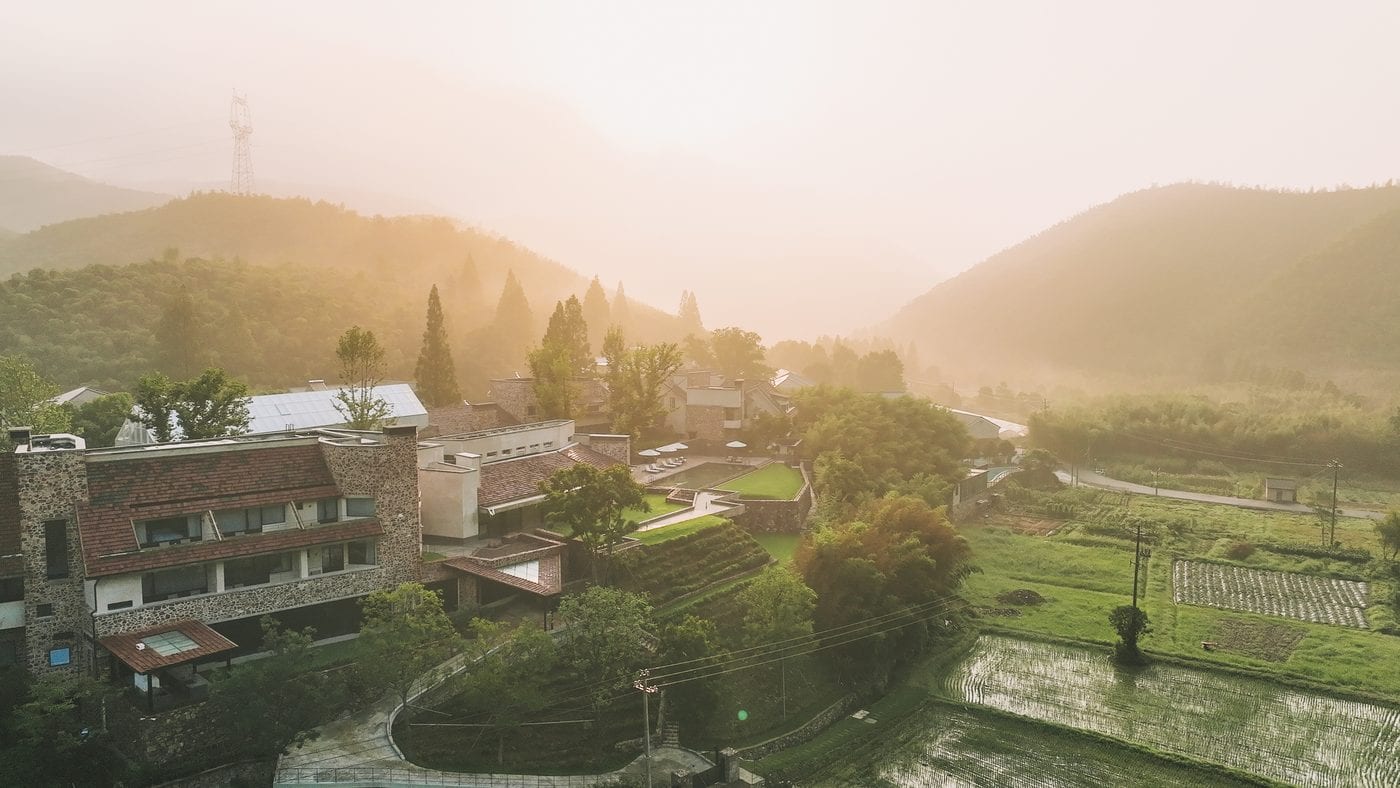
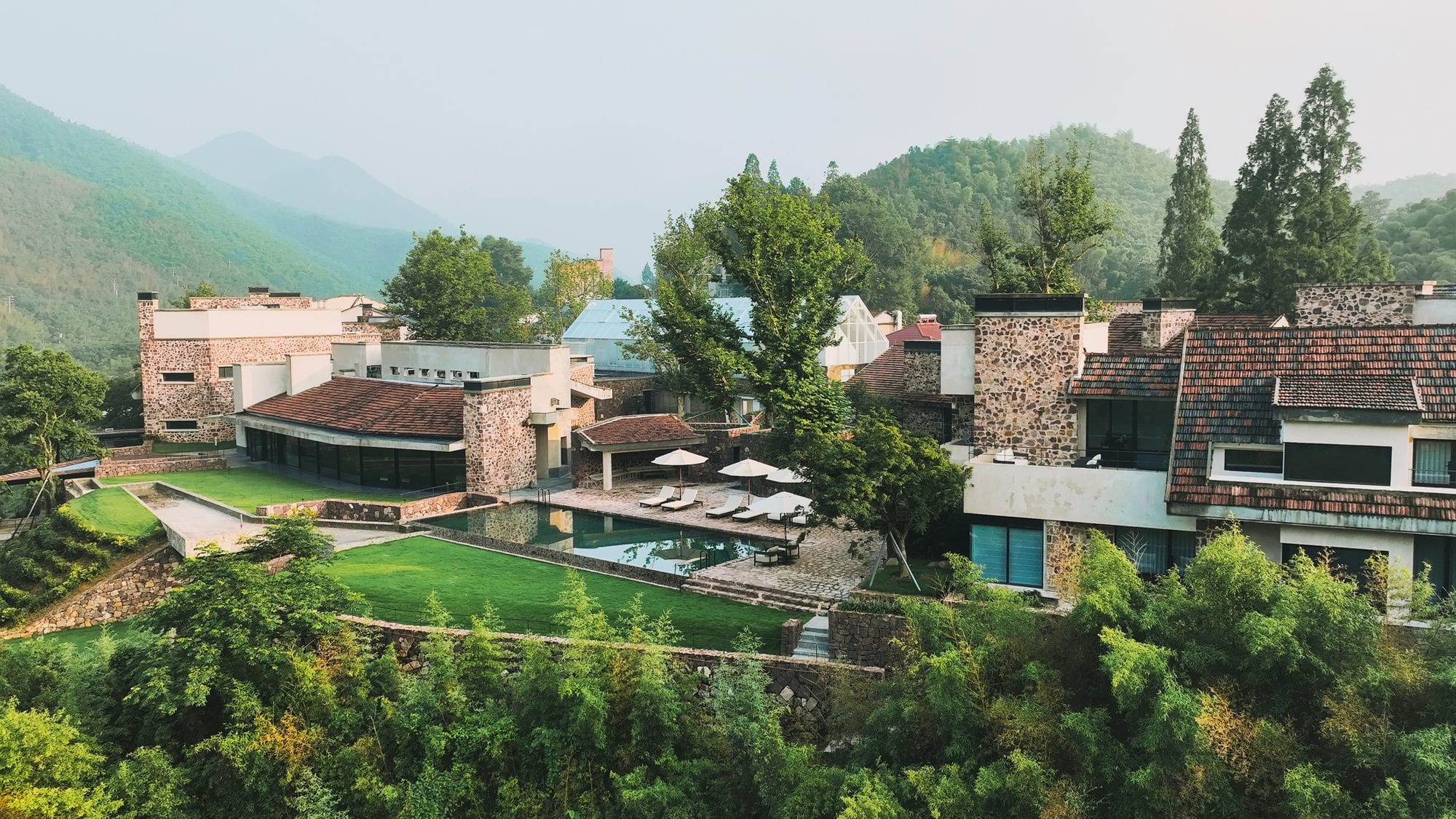 48,000 m² of valley5,300 m² of building
710,413
reads across all placements
¥594,320
estimated earned media value
9
confirmed press placements
100%
of invited media and KOLs came to the June launch
April 2026 The brief
A finished building with no story, price or channels
Muuke Villa sits in Houdai Village, at the foot of Moganshan in Zhejiang. The valley covers about 48,000 square meters. The buildings take up roughly 5,300 of them.
Architect Lü Xiaohui rebuilt a bamboo-shoot cannery from the 1970s into 34 rooms, the Bamboo Shoot Art Space, and a restaurant called Qiuqiu. The owner, Mr Ke, took over the land in 2014.
We came in during April 2026, ten weeks before the first stays. The building was done. Nobody had settled who Muuke Villa was for, or what a night there should cost.
Six problems on day one
A thousand neighbors
Moganshan has more than a thousand guesthouses, and twenty years of bamboo-forest conversions have worn the look thin. At ¥2,688 a night and up, Muuke Villa couldn’t afford to resemble them.
A story nobody had written
The cannery, stone salvaged from demolished villages, the factory’s own roof tiles taken down and laid back. All of it lived in the owner’s head.
A name that needed a footnote
木可 is the owner’s surname 柯 pulled apart. 町 holds his wife’s surname 丁 and their daughter’s childhood name. Lovely, and opaque to an editor skimming a release.
Nowhere to send anyone
No WeChat account, no RED account, no mini-program, no image library, and no booking policy in either language.
Fifteen room types, no ladder
No naming logic, no rate structure, and no plan for OTAs, direct bookings, and travel agencies.
A hotel team, not a marketing team
Every decision went through the owner. Whatever we handed over, people with a hotel to run had to be able to use it.
The brand Positioning
A spiritual homeland in a valley of guesthouses
We settled one thing first. Muuke Villa would not be sold as a resort. The family’s own phrase, 精神原乡, a spiritual homeland, became the mission.
Once that was set, the property’s quirks turned into proof. The small footprint read as restraint. The relaid tiles read as continuity. The walk through the bamboo at dawn became the thing guests were paying for.
The voice we settled on is a host talking to a guest: quiet, warm, “we” rather than “the property.” The brand line is 山在那里,家也是, which we put into English as Come Home to the Mountain.
Do not let people fall in love at first sight. They should sleep one night and think: this is genuinely good.
- Spiritual homeland
- The mission
- Hidden luxury
- The philosophy
- Three pillars
- Organic renewal, keeper of time’s rhythm, follow the rhythm
- Four places
- The valley theater, the Bamboo Shoot Art Space, Qiuqiu, and the historic villas
The page the team used most: words we banned
Adjective stacking
奢华, 顶级, 尊享: luxury, top-tier, exclusive. They undercut a case built on restraint.
Traffic talk
网红打卡, 出片, 种草: viral, photogenic, must-go. They drop the hotel back into the feed its guests are trying to leave.
Discount talk
限时抢购, 超值优惠, 促销: flash sale, great value, promo. Room rates don’t survive that vocabulary.
Spring 2026 Price and pictures
Who books, through which door, at what price
Before anyone drew up a guest list, we priced the place. A competitive set across the Yangtze River Delta fed a rate ladder for all fifteen room categories. Ctrip leads distribution, with Booking.com, Agoda, and Klook added for travelers from abroad.
The core buyer is a Shanghai or Hangzhou household, ages 30 to 48, two incomes, a 1.5- to 3-hour drive away. They’ve done the pool-and-white-walls circuit. Now they book quiet, provenance, and architecture. They find it on RED and book through the mini-program or Ctrip.
A second audience mattered for the opening: luxury houses looking for off-site venues, carmakers’ owner programs, wedding planners, and inbound agencies.
The shoot came last. We wrote the shot list as fifteen scenarios rather than a room checklist, so one library could feed press, social, and OTA listings. Nothing had to be reshot.
- Ctrip
- Leads, for domestic guests
- 3 OTAs
- Booking.com, Agoda, and Klook for inbound travelers
- 15
- Room categories on one rate ladder
June 26–27 The launch
A dress rehearsal that produced the photo library
We split the opening in two on purpose. The first moment was small and controlled: a launch inside the Bamboo Shoot Art Space, the cannery’s old packing hall, wrapped in white.
It was a test, mostly. Would the story land with editors and creators? It also handed us a working photo library almost four months before the formal opening.
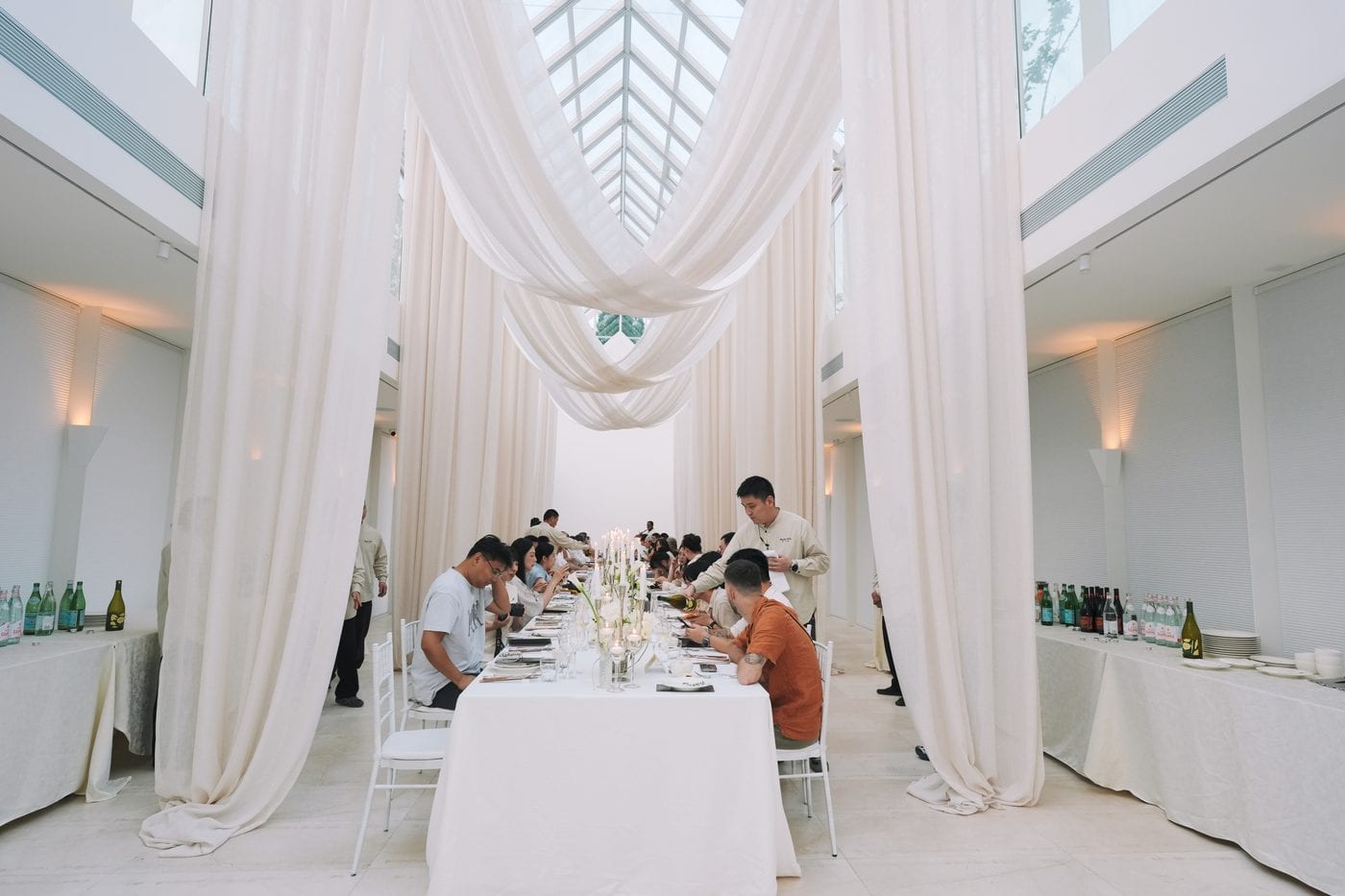
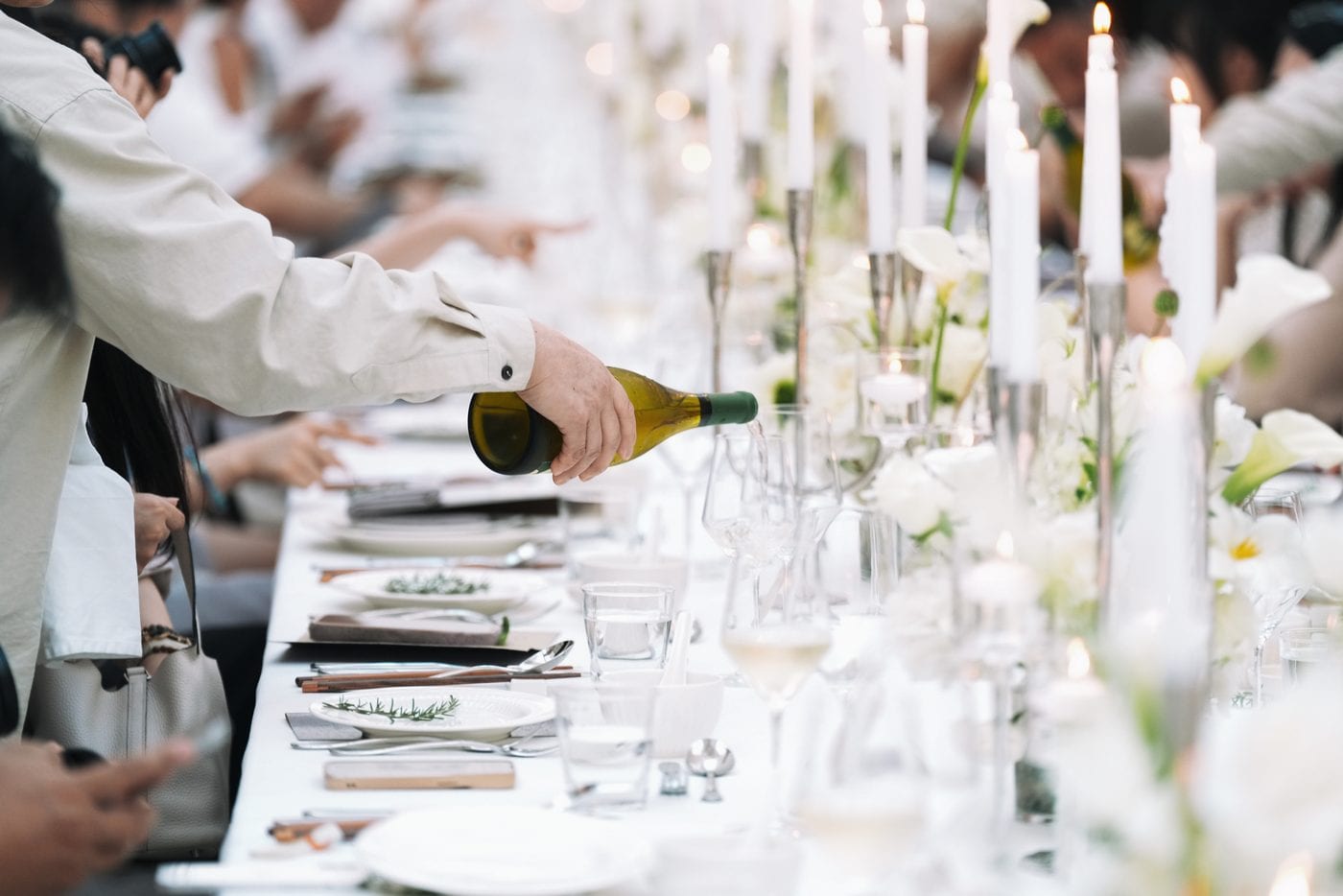
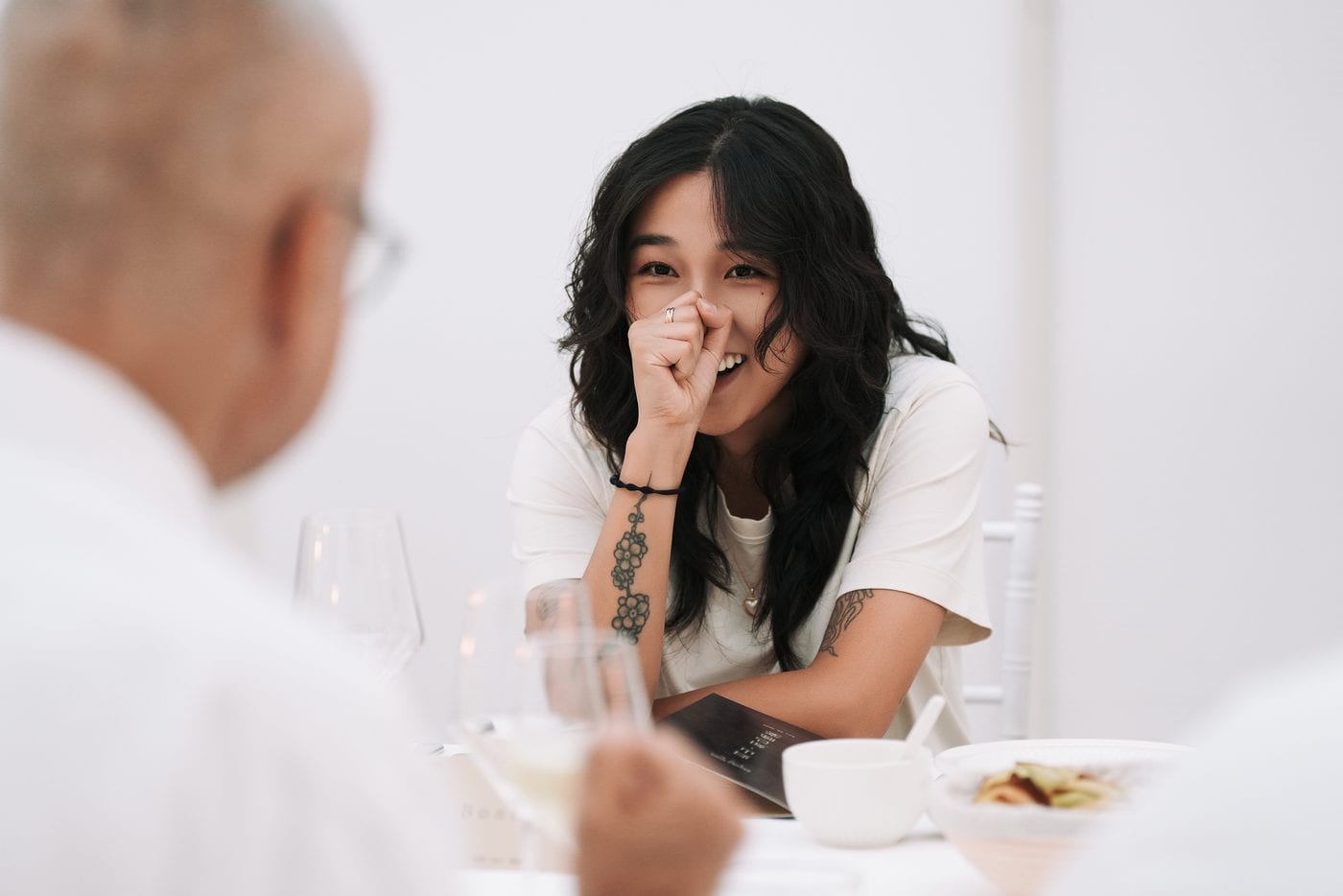
Long tables under the white-wrapped industrial shell, flowers cut from the hillside, bread shaped like bamboo shoots.
Attendance
100%
of the media and KOLs we invited came to the June launch.
Head start
16 weeks
from the June photo library to the October opening
October 17 The opening
An afternoon written to be photographed
The grand opening, 秋日候时礼 or the Autumn Seasonal Ritual, used everything June taught us. Each guest tier had a reason to come and something to deliver.
Outreach opened August 4. Top editors and big creators commit four to eight weeks out, and anything later turns into “we’re already booked.” Every contact sat in a weekly tracker.
Four guest tiers
National media
Lifestyle and luxury titles including ELLE, GQ, TATLER, GRAZIA, Harper’s Bazaar, and The Paper. Editorial invitations, hosted and never paid. Target: 15 to 20 outlets.
KOLs and creators
Fashion names plus a RED pool drawn from 30 Shanghai creators we scored on reach, engagement, and cost. Target: 20 to 25 people.
Brand and industry
Luxury houses, wedding planners, wellness brands, and carmakers such as Porsche, Bentley, and NIO. The invitation was framed as partnership talks. Target: 10 to 15 people.
VIPs
The owner’s network, key stakeholders, and the Deqing and Anji tourism bureaus. Target: 8 to 12 people.
The afternoon
2:00 p.m.
The architect’s sketches
Lü Xiaohui’s first drawings of the stone walls and tiles, shown on arrival.
2:40 p.m.
Rice-harvest rite
Guests cut, bind, and thresh rice.
3:50 p.m.
Tea picking
The season’s last flush in the tea garden.
4:30 p.m.
Time, Land, People
A lawn panel with the owner and the architect, built to become long-form editorial.
5:10 p.m.
The Waiting Rite
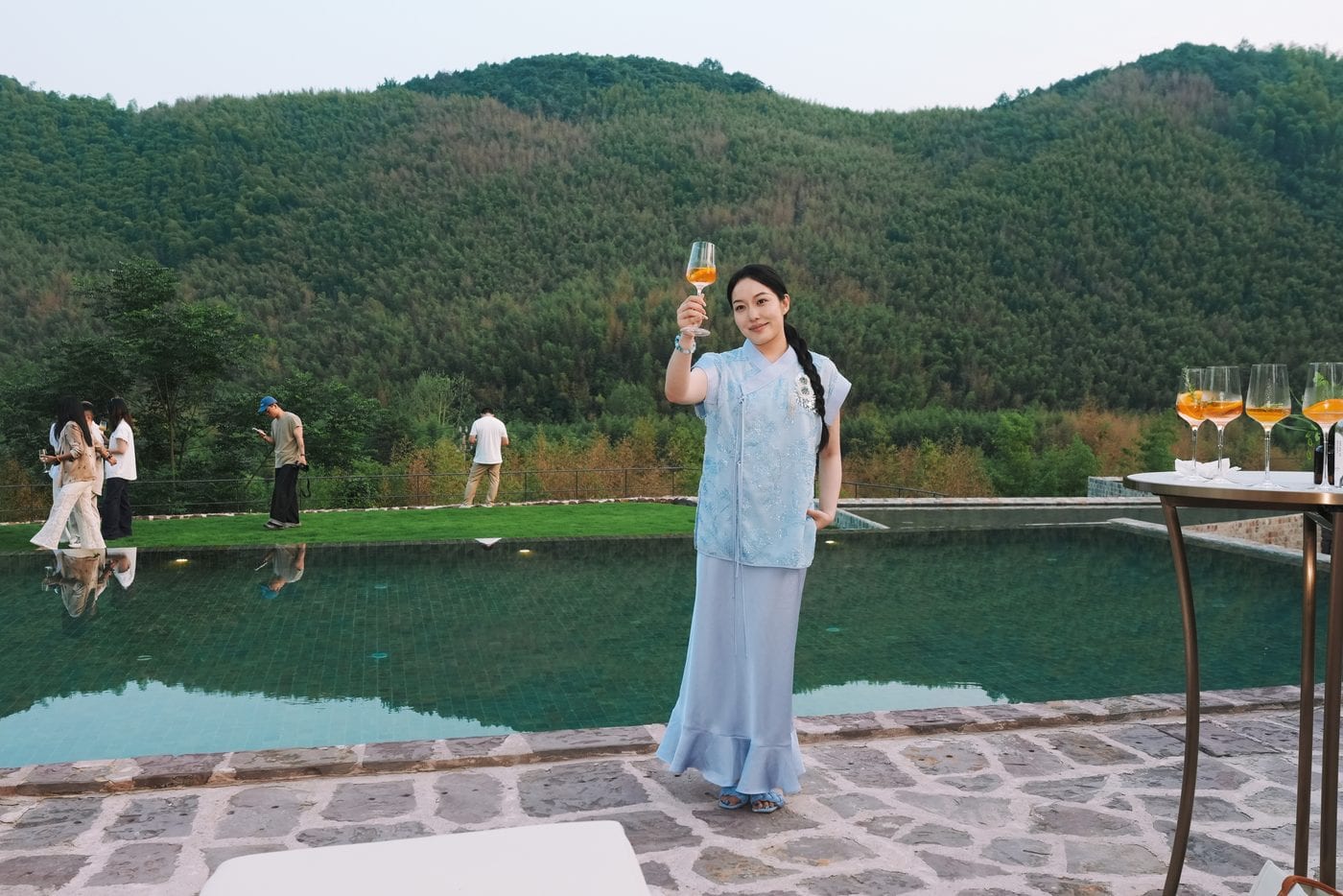
A toast timed into sunset, so every frame lands at golden hour.
5:30 p.m.
Grove banquet
Fermented tea, then a seasonal dinner under the metasequoias as night fell.
Results The press
Nine placements, one story told the same way
One bilingual press release held the whole story: the twelve-year timeline, the cannery, the 5,300-square-meter footprint, the architect’s material logic, the family name, and the mission line. Every outlet got the same complete kit, which is often the difference between a placement and “we couldn’t fit it in.”
Earned media value by outlet
Reads × CPM × content coefficient, in RMB
Every major placement led with the same three facts: the 1970s cannery, the small footprint in a large valley, and Lü Xiaohui’s materials. AD China ran it as “从旧厂新生到山居新叙” and quoted the mission line word for word.
Where the value sits
VOGUE Living, AD, and Noblesse brought in ¥411,156. The WeChat round-ups barely register here, yet they reach the readers closest to booking.
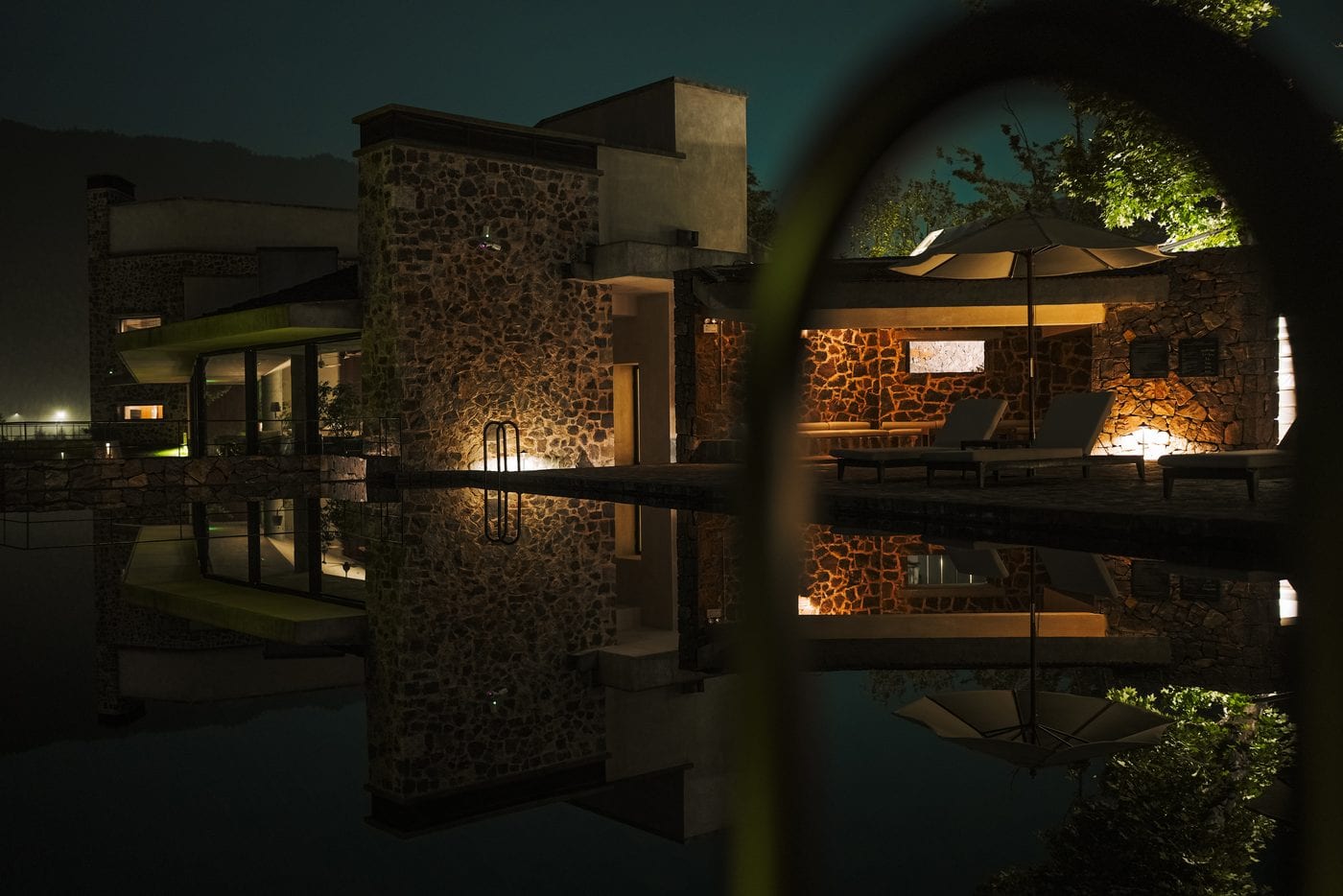
Every beam, every pillar, the handwriting of time. Between old and new, we are but keepers of time.
Always on WeChat and RED
WeChat and RED, built from zero
Coverage gets a hotel talked about, but it can’t take a reservation. So we registered both accounts, wrote the operating playbook, and set the publishing rhythm.
On WeChat, the opening article ran in four bilingual movements tied to the brand pillars: time, architecture, daily life, and flavor. The daily-life section did the commercial work. It explains there are no TVs in the rooms “from a belief that the wild is more worth watching than any screen.” The booking panel appears once, at the very end.
On RED, six content pillars came straight from the shot list: past, present, and future; stone and tile up close; rooms without a TV; farm to table; the road in; and the autumn ritual. Notes went out three to five days after each event, so a launch keeps going for a fortnight instead of spiking for an afternoon.
The booking path opened at the same time: a mini-program with eight offer packages in the Green Cloud system, and a bilingual reservation policy.
RED publishing
Notes per month
- July
- From autumn
RED notes
WeChat held at one long article a week.
Afterward Lessons
What we’d keep, and what we’d change
Where the work goes from here: conversion tracking on Ctrip first, then Booking.com, Agoda, and Klook. A bilingual website with an ICP filing, to link RED discovery with international booking. And familiarization trips that keep creators coming back.
Keep
Strategy before the shoot
One shoot served press, RED, WeChat, and the OTAs. Nothing had to be redone.
A list of banned words
“Write beautifully” is no help to a hotel without a copywriter. “Never write 网红打卡” is a rule anyone can follow.
Two moments
June produced the pictures and the lessons that made October work.
Ten weeks of lead time
Top calendars fill early. A late invitation rarely gets an answer.
Change
Brief creators a week early
June’s brief went out late. Once creators had a written shot list, their posts improved right away.
Bring an official capture team
Editors place high-resolution hero shots, and guest content rarely delivers them.
Stagger the posting
Everything on one day makes one loud afternoon. Three to five days apart buys two weeks of presence.
Write down the rain plan
October in Moganshan brings rain, and unclear plus-one rules ate real time in June.
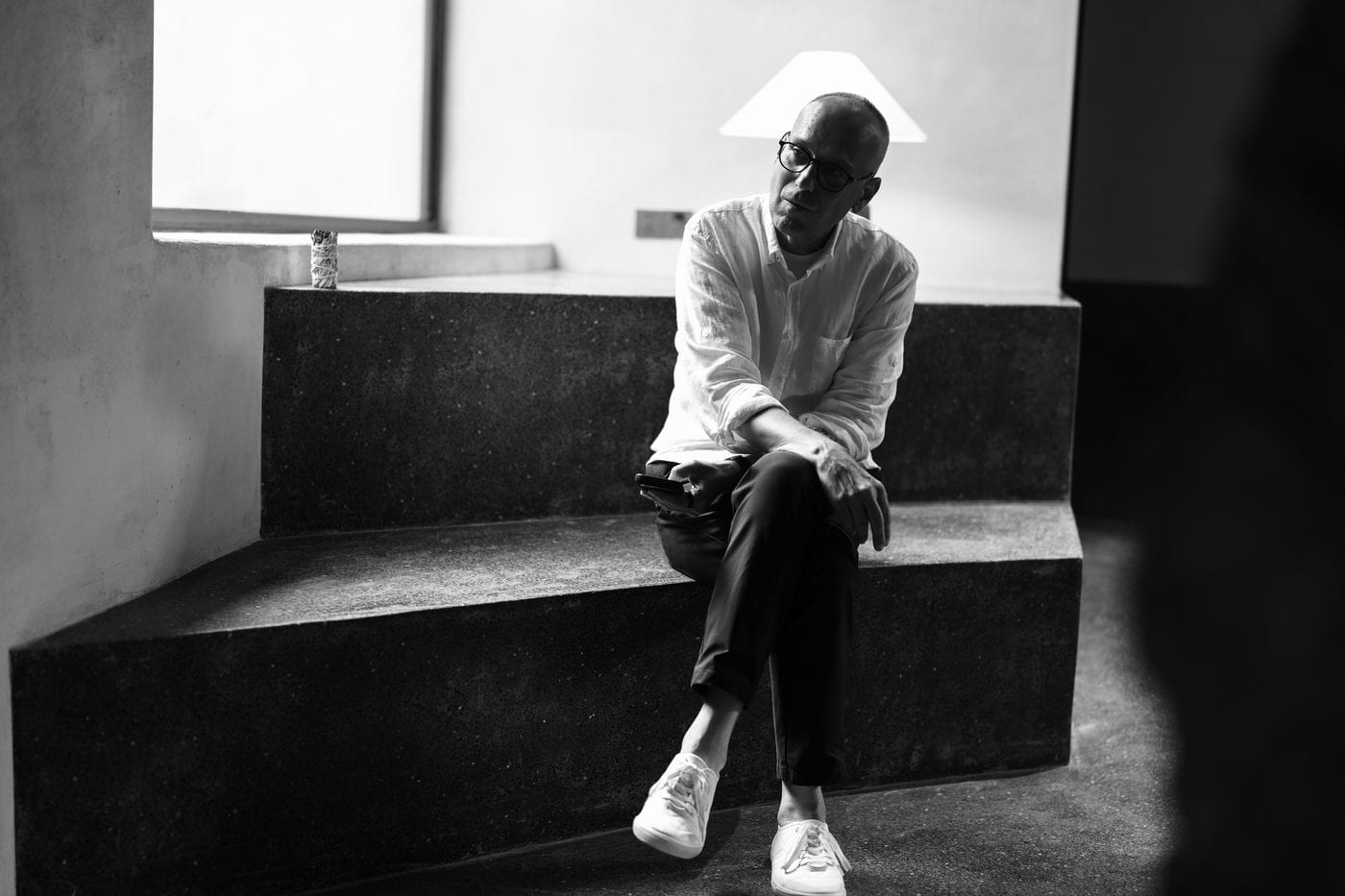
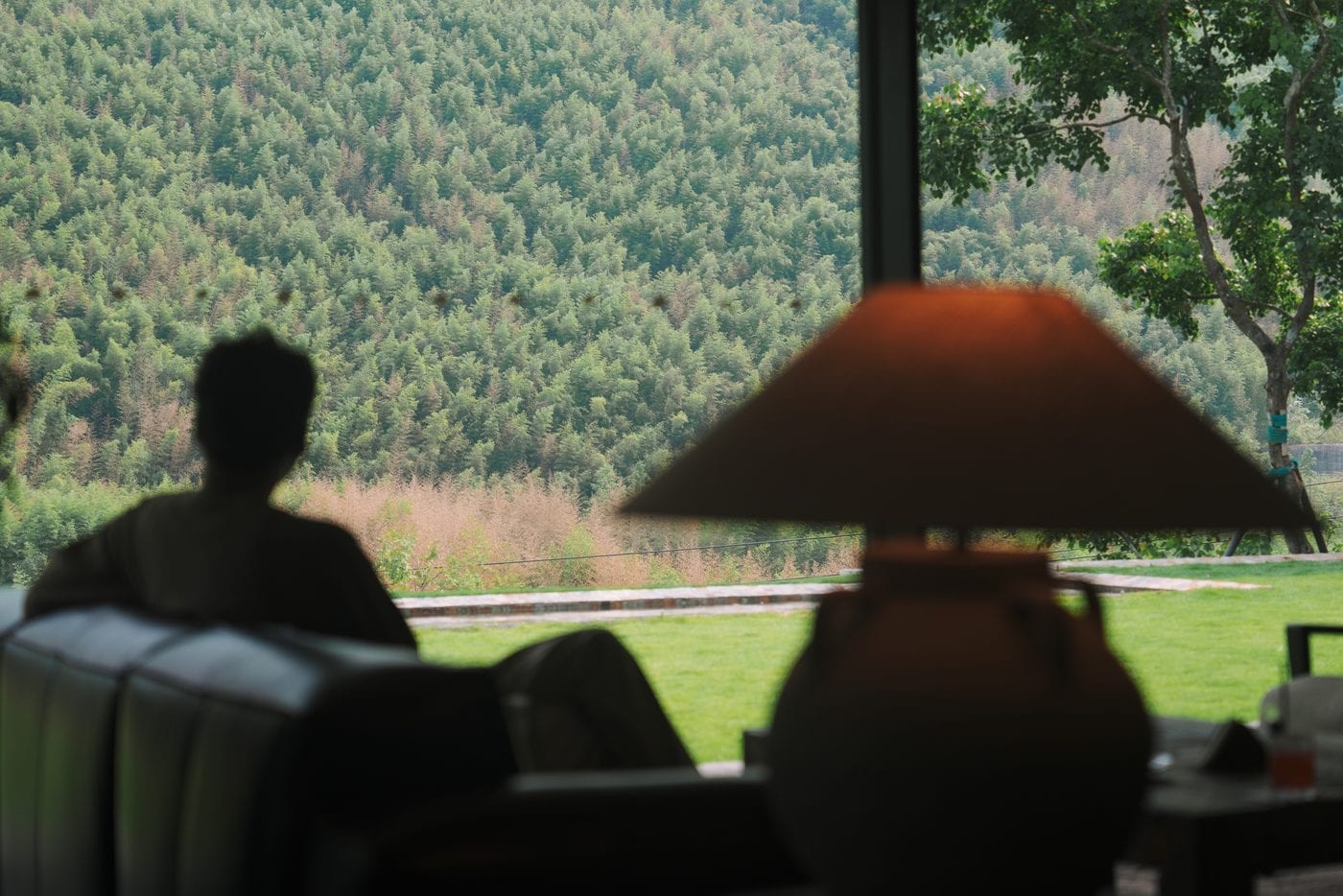
The launch crowd and the lounge, from the official photo library.
Services delivered
- Brand strategy
- Launch event
- PR
- Social
- Content
About the data: reads come from the client’s media-monitoring sheet. Media value is reads × CPM × a content coefficient of 1.5 to 1.8. The CPMs are agency-standard ranges and the coefficient is a judgment call, so ¥594,320 is indicative, not audited. Brand facts come from the Muuke Villa Brand Manual V1 (August 2026) and the opening event plan. Links checked October 26, 2026.
Let’s talk
Opening a hotel or a retreat in China?
Tell us where it is and when the first guests arrive. A real person replies, and every form gets read.


