In China, the wrong partner costs you years.
Most foreign brands in China sell through a TP (trade partner) on Tmall and JD, or a DP (Douyin partner) on Douyin. Either way, the partner runs the store. We don’t have a TP or DP team. Our job is finding the partner that should run yours and getting your brand through its door. Then we build the demand.
- 15+years on Tmall and JD
- 200+brand launches
- Compassour partner database, open to search

- Knows your category
- Already has your buyers
- Can run the store
Most brands only check the last one.
China is a hard place to get the partner wrong
Four things come up in almost every launch we see, and the way we work is built around them.
Your category is already crowded
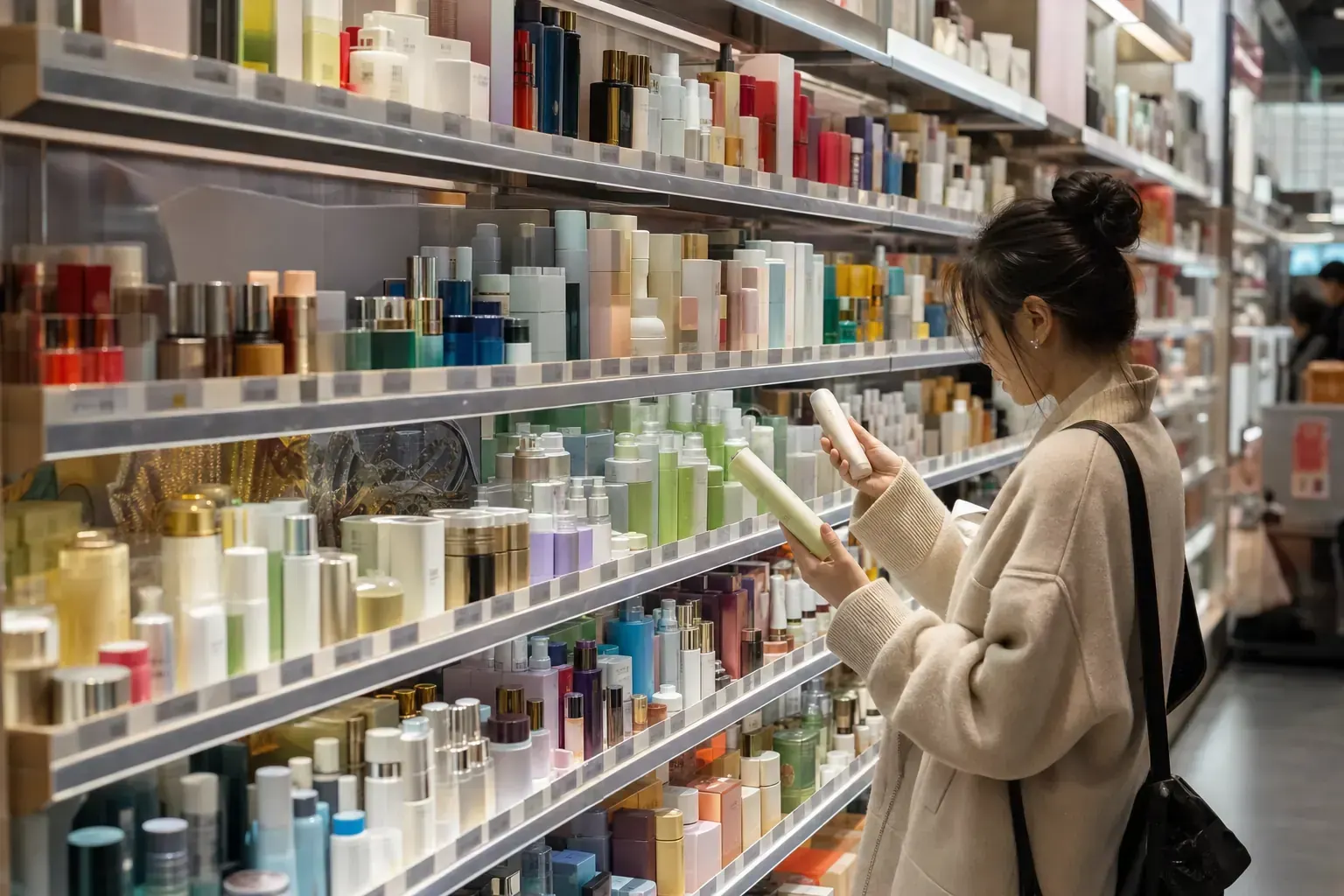
China’s consumer market is brutally competitive. Whatever you sell, a local brand got there first, probably several. They move fast and they price hard. And they know the shopper better than you do. A foreign name gets you a little curiosity, and that’s about it.

The partner decides how it goes
A TP or DP that knows your category and already has its audience gives you a running start. One that can only operate a store and buy traffic leaves you paying for every visitor. For years.

The best partners get to say no
The strongest TPs and DPs in any category are swamped. Brands pitch them every week, and most get turned down. The ones that get through have been reviewed hard and handed a minimum investment.
We don’t have a store team to sell you
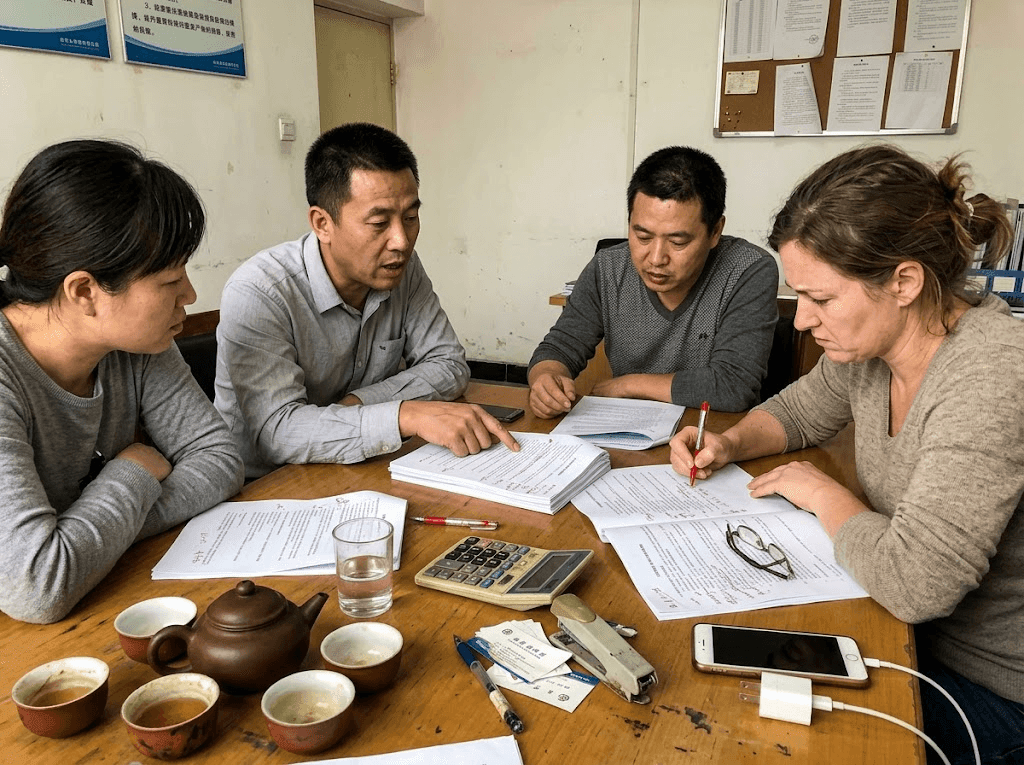
If we ran a TP or DP team, every brand we met would look like a good fit for it. We don’t, so the only question we ask is which partner fits yours.
So we work for you, on your side of the table, with no partner of our own to push.
Who sits where in a China launch
Five parties usually share a China launch. Pick one to see what it owns.
You, the brand
You own the brand and the product, and the supply chain behind them. You set the budget, and you sign with the partner.
Us
We write the plan and find your TP or DP. Then we pitch you to it and run your eCommerce marketing alongside it. When it fits, we also act as your exclusive online distributor.
Your TP or DP
This is who runs your stores day in and day out, customer service included. A TP works on Tmall and JD, a DP on Douyin. We plan the campaigns with it. Some partners end up buying stock too, but not at the start.
Logistics partner
You only need one if your TP or DP can’t ship cross-border. When that happens, we go and find one that suits your brand.
Offline distributors
Sell your brand into stores and wholesale. We find them for you. We never act as a sales agent offline.
What’s a TP, and what’s a DP?
Both are service providers, and they do much the same job. The big difference is where they do it: Tmall and JD for one, Douyin for the other.
A TP runs your store on Tmall, and often on JD too: listings, content, customer service in Mandarin, traffic, and campaigns. It’s paid through a service fee, usually with a commission on sales.
A DP does the same job on Douyin. It runs your Douyin shop, the short videos and livestreams that feed it, and the creators who sell for you. The fee structure is much like a TP’s.
| TP | DP | |
|---|---|---|
| Where it works | Tmall, and often JD | Douyin |
| What it runs | Your store, listings, customer service, and campaigns | Your shop, short video, livestreams, and creators |
| How it gets paid | Service fee, usually plus commission | Service fee, usually plus commission |
| Buys your stock | Not usually | Not usually |
| Can become your distributor | Yes, later | Yes, later |
As a rule, your inventory stays with you. A TP or DP can become your distributor later and start buying stock, but only once it understands your supply chain and sees what you’re really investing. That usually takes a year of services, often longer. Our advice: plan for a services deal first, and treat a distribution deal as something you earn.
Category first. Audience above everything.
Plenty of TPs and DPs can run a store and buy traffic. That’s the entry ticket, and it’s where most brands stop looking.
It knows your category
It already runs brands in your space. It knows the price bands and the search terms, and it has the festival calendar in its head. It can also tell you which creators actually move product and which ones just post. You don’t pay for its learning curve.
- Price bands
- Search terms
- Festival calendar
- Creators who sell
It has the audience
It already sells to the shoppers you want. Its stores and livestream rooms pull buyers in your category every day, and so does its creator network. Traffic you buy stops the day the budget does, while a partner’s own audience keeps shopping after the ads go quiet.
What happens when the ad budget stops
When ad spending stops, traffic at the partner that buys it falls away, while the partner with its own audience holds most of its traffic.
- Partner that buys traffic
- Partner with its own audience
An illustration of the pattern, not client data.
Ready to pitch a good partner?
The TPs and DPs winning in your category know how crowded it is, so they’re picky. Tick what’s already true for you.
Tick what’s already true.
Start the partner searchThat’s the partner side. Here’s how the work splits once everyone is at the table.
Who does what, task by task
A China launch has more people in it than most brands expect. Filter by party to see where each one leads.
| Task | You | Us | TP or DP | Logistics partner | Offline distributors |
|---|---|---|---|---|---|
| Brand, product, and supply chain | Leads | Not involved | Not involved | Not involved | Not involved |
| Budget and investment level | Leads | Supports | Not involved | Not involved | Not involved |
| Business plan | Supports | Leads | Not involved | Not involved | Not involved |
| Brand localization | Supports | Leads | Not involved | Not involved | Not involved |
| Finding and pitching the TP or DP | Supports | Leads | Not involved | Not involved | Not involved |
| Choosing the partner and signing | Leads | Supports | Not involved | Not involved | Not involved |
| Store operations and customer service | Not involved | Not involved | Leads | Not involved | Not involved |
| Content for your eCommerce stores | Not involved | Leads | Supports | Not involved | Not involved |
| eCommerce campaigns | Not involved | Leads | Leads | Not involved | Not involved |
| Social campaigns and account management | Not involved | Leads | Not involved | Not involved | Not involved |
| Offline events | Not involved | Leads | Not involved | Not involved | Not involved |
| Cross-border logistics | Not involved | Finds the partner | If equipped | Otherwise | Not involved |
| Offline stores and wholesale | Not involved | Finds them | Not involved | Not involved | Leads |
- Brand, product, and supply chainYou: leads
- Budget and investment levelYou: leadsUs: supports
- Business planYou: supportsUs: leads
- Brand localizationYou: supportsUs: leads
- Finding and pitching the TP or DPYou: supportsUs: leads
- Choosing the partner and signingYou: leadsUs: supports
- Store operations and customer serviceTP or DP: leads
- Content for your eCommerce storesUs: leadsTP or DP: supports
- eCommerce campaignsUs: leadsTP or DP: leads
- Social campaigns and account managementUs: leads
- Offline eventsUs: leads
- Cross-border logisticsUs: finds the partnerTP or DP: if equippedLogistics partner: otherwise
- Offline stores and wholesaleUs: finds themOffline distributors: leads
What working with us looks like
Most brands go through these six steps with us, each at its own pace.
We get to know the brand
It starts with a lot of conversations: your product, your margins, your budget, what you want out of China. We also take a hard look at your category, since local brands probably crowd it already.
Involved: YouUs
We write the plan
A business plan, and a brand localized for Chinese shoppers. The plan also sets what you can invest, because every serious partner asks for a minimum before it says yes.
Involved: UsYou
We find and pitch your TP or DP
This is the slow part, and there’s no shortcut. We build the pitch deck, then take it to partners in our network who know your category and already have its audience (the search starts in Compass). They review you, and the good ones take their time.
Involved: UsYouTP or DP
We sort out logistics
If your TP or DP can’t ship cross-border, we find a partner who can and who suits your brand. Get it wrong and you’ll feel it in delivery times and at customs, and sooner or later in your margin.
Involved: UsLogistics partner
We launch and run the marketing
Content for your eCommerce stores. eCommerce campaigns planned with your TP or DP. Campaigns and account management on social platforms. And offline events, when they’re worth the budget.
Involved: UsTP or DP
We grow the setup with you
Once your partner trusts your supply chain, it may offer to become your distributor and buy stock, which is a good sign. We can step in as your exclusive online distributor, and bring in offline distributors when you want stores and wholesale.
Involved: UsTP or DPOffline distributors
Take one piece, or all of it
Hire us for the partner search alone, or for the whole setup. It’s your call.
Still with us? Good. This is where most people skip to anyway.
Questions brands ask us first
Last reviewed September 19, 2026.
How do you charge?
- Partner searchProject fee
- eCommerce marketingRetainer or project
- Exclusive distributionMargin on product
Partner search is quoted as a project. eCommerce marketing runs on a monthly retainer or per project, depending on scope. As an exclusive distributor, we earn a margin on product, agreed up front. We quote after the first conversation, once we know your category and the scope.
What does a TP or DP charge?
Usually two layers. A fixed monthly fee per store, often 30,000 to 80,000 RMB depending on scope, plus a commission on net sales, usually 5 to 12 percent. Setup, content production, and media are quoted separately. These are typical TP ranges, reviewed September 2026. A DP on Douyin bills along the same lines; our Douyin cost calculator gives a first estimate.
Because it would bend our advice. With no store team to keep busy, we can recommend whichever partner fits your brand.
Yes. You can add the eCommerce marketing later, or bring us in as your exclusive online distributor.
Usually not. TPs and DPs are service providers, and most never hold your inventory. Some become distributors later, once they understand your supply chain and see how much you’re investing. Plan on at least a year of services first.
It depends on the category and the partner. A serious TP or DP reviews your brand, then names the minimum it considers reasonable. We help you set your own number in the business plan, before that conversation. For a first estimate, try our Tmall Global, JD Worldwide, and Douyin cost calculators.
No. We never act as a sales agent for offline channels. We find the right offline distributors, and they sell into stores and wholesale.
Your TP or DP, if it runs cross-border logistics. If it doesn’t, a logistics partner we find for you.
Brands we have done this for
 IguzziniLuxury lights from Italian designers to ChinaCross-border Tmall flagship live for the lighting brand, designed for Chinese architects and luxury consumers.
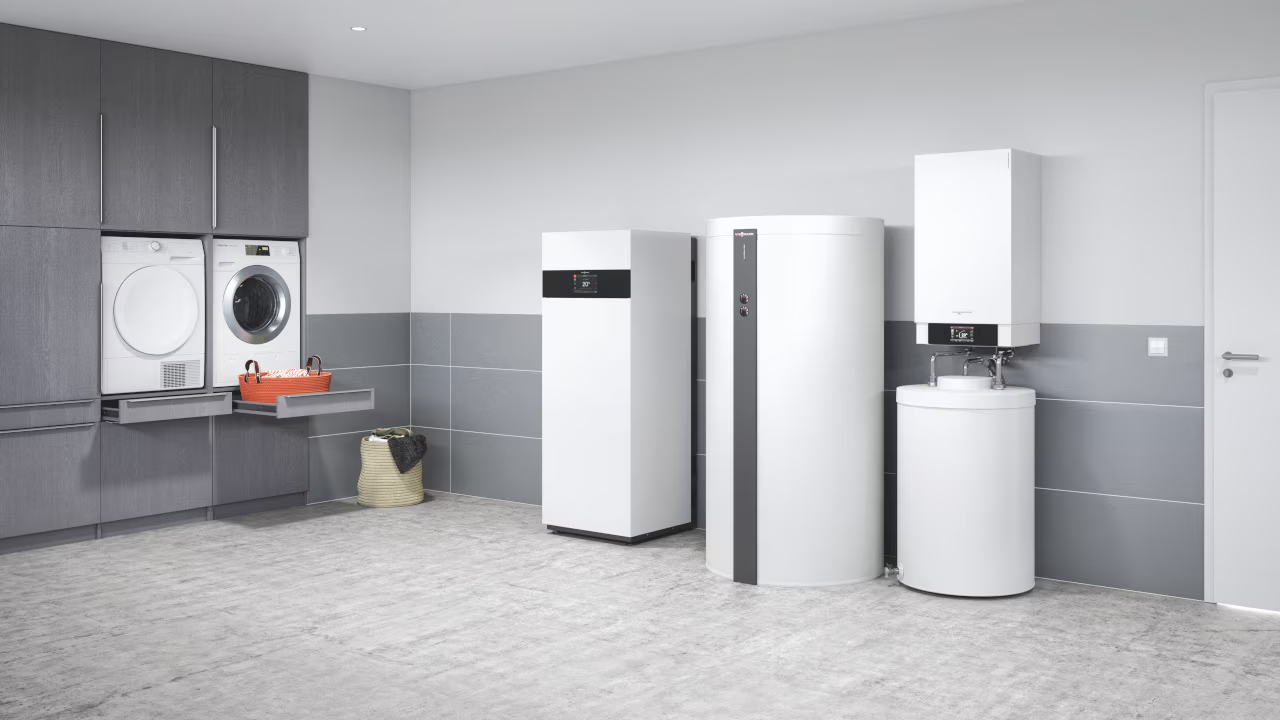 ViessmannClimate solutions: Tmall eCommerce in China for heating and boilingTmall and JD storefronts run end to end for Viessmann's climate solutions: content, media, livestream, service.
 Kerry Food, DaVinci GourmeteCommerce for DaVinci Gourmet syrups, sauces and smoothiesPricing disputes resolved in 3 months. Sales fraud eliminated in 6 months. Year-one online revenue growth.
Tell us what you sell, and we’ll tell you which partners are worth pitching.
A senior member of the team replies within one working day. Or look around first. Our partner database is open to search.